
USD
MORE
EDITORIAL / 01
The Art of Leaving Something Out
Getting dressed is an act of editing. We decide what deserves attention, what supports it, and what can disappear without making the whole thing weaker. Often the final adjustment is not an addition at all, but the confidence to remove one element and let the rest become clearer.
01
Choosing Where the Eye Should Land
Every memorable outfit has a point of emphasis, even when that point is subtle. It may be the sweep of a wide trouser, the color of a coat, the line of a collar, or the quiet precision of a beautifully cut shirt. Problems often begin when several elements compete to become the main event at once.
Restraint begins by deciding what deserves the clearest attention. Once that choice is made, the surrounding pieces do not have to disappear, but they can take on supporting roles. A dramatic sleeve may need a quieter neckline. A strong print may benefit from an unadorned shoe. A sculptural bag can feel more deliberate when the rest of the outfit allows it room to register.
This is not minimalism as a rule. A romantic dresser can edit. A maximalist can edit. Someone who loves saturated color can edit. The question is not how little is being worn, but whether the parts understand their relationship to one another.
WHEN EVERYTHING ASKS FOR ATTENTION, NOTHING HOLDS IT FOR LONG.
LESS
CLEAR
02
Breathing Room Is Part of the Outfit
Simple garments are sometimes mistaken for neutral background, but their real value is spatial. A plain knit, a clean trouser, or a restrained skirt can create the visual pause that allows a more expressive piece to be fully seen.
That pause matters because clothing is read in sequence. The eye notices a strong shape more clearly when it is not immediately interrupted by another one. It understands texture better when there is a smoother surface nearby. It sees color more vividly when every neighboring element is not trying to intensify it.
Breathing room is therefore not absence in the negative sense. It is an active part of composition. The quiet garment gives the louder one somewhere to exist.
03
When an Accessory Actually Says Something
Accessories can complete an outfit, but completion is different from accumulation. The useful question is not whether another object could be added, but whether it changes the meaning of what is already there.
A narrow belt can alter proportion. A vivid earring can redirect attention toward the face. A soft scarf can loosen a tailored look. A structured bag can introduce discipline to something otherwise fluid. These choices have purpose because they shift the reading of the outfit.
When an accessory does not change proportion, rhythm, color, texture, or mood, it may simply be occupying space. Leaving it behind can make the remaining decisions look more intentional.
04
Repetition Makes Taste Visible
Personal style becomes legible through recurrence. The same jacket worn in different contexts, the same shoe shape appearing across seasons, or the repeated preference for a certain neckline gradually forms a visual signature.
There is no need to disguise repetition simply to appear inventive. In fact, repeating a successful proportion can create more identity than constantly replacing it. What changes is not necessarily the foundation but the context around it: a different layer, a shifted hem, another texture, a stronger or quieter color.
Editing becomes easier once these recurring preferences are recognized. The wardrobe stops behaving like a collection of isolated decisions and begins to speak in a language that belongs to one person.
05
Taste Is Quieter Than the Trend Cycle
Trends are persuasive because they arrive with context already attached. A silhouette is suddenly everywhere, a color begins to look newly relevant, or a particular detail appears so often that it becomes difficult to separate desire from familiarity.
Editing requires a small distance from that momentum. It asks whether an idea still feels compelling once its popularity is removed from the equation. Sometimes the answer is yes, and the trend becomes genuinely personal. Sometimes the attraction fades as soon as it is imagined beside the clothes already worn most often.
Restraint here does not mean refusing novelty. It means allowing taste to have the final vote. Personal style becomes clearer when newness is invited in selectively rather than automatically.
A QUIET PIECE CAN BE DOING IMPORTANT WORK.
RECOGNITION IS OFTEN MORE USEFUL THAN NOVELTY.
ENOUGH
06
Knowing When the Outfit Is Finished
There is a point in getting dressed when the outfit has already made its argument. The proportion is resolved, the colors have found their balance, and the strongest detail has enough space around it. What happens next is often habit rather than necessity.
We reach for one more necklace, another layer, a stronger shoe, or a contrasting bag because stopping can feel strangely exposed. Addition creates the sensation of doing something. Restraint asks for a different kind of participation: observation.
Learning to recognize completion means paying attention to the outfit before changing it again. Does anything feel unresolved, or does it simply feel unfamiliar to stop? Is another element improving the composition, or reassuring us that enough effort has been made visible?
The answer will differ from person to person. For someone expressive, completion may still involve print, jewelry, color, and unusual proportion. For someone tailored, it may be a coat, trouser, shirt, and one exacting accessory. Clarity has no fixed number of pieces.
"The strongest edit is not always the simplest outfit. It is the moment when every remaining element has a reason to stay."
Choose a focus/leave room around it/repeat what feels unmistakably yours/let accessories change the meaning, not merely the quantity/allow trends to pass through taste rather than replace it/when the composition feels resolved, trust it enough to stop.
CLOSING REFLECTION
The confidence to leave something out is ultimately the confidence to believe that the choices already made are visible enough. Style becomes more expressive when it no longer depends on proving its effort. At a certain point, editing ends, the outfit begins, and the person wearing it becomes more noticeable than the process that assembled it.
STOPPING IS ALSO A CREATIVE DECISION.
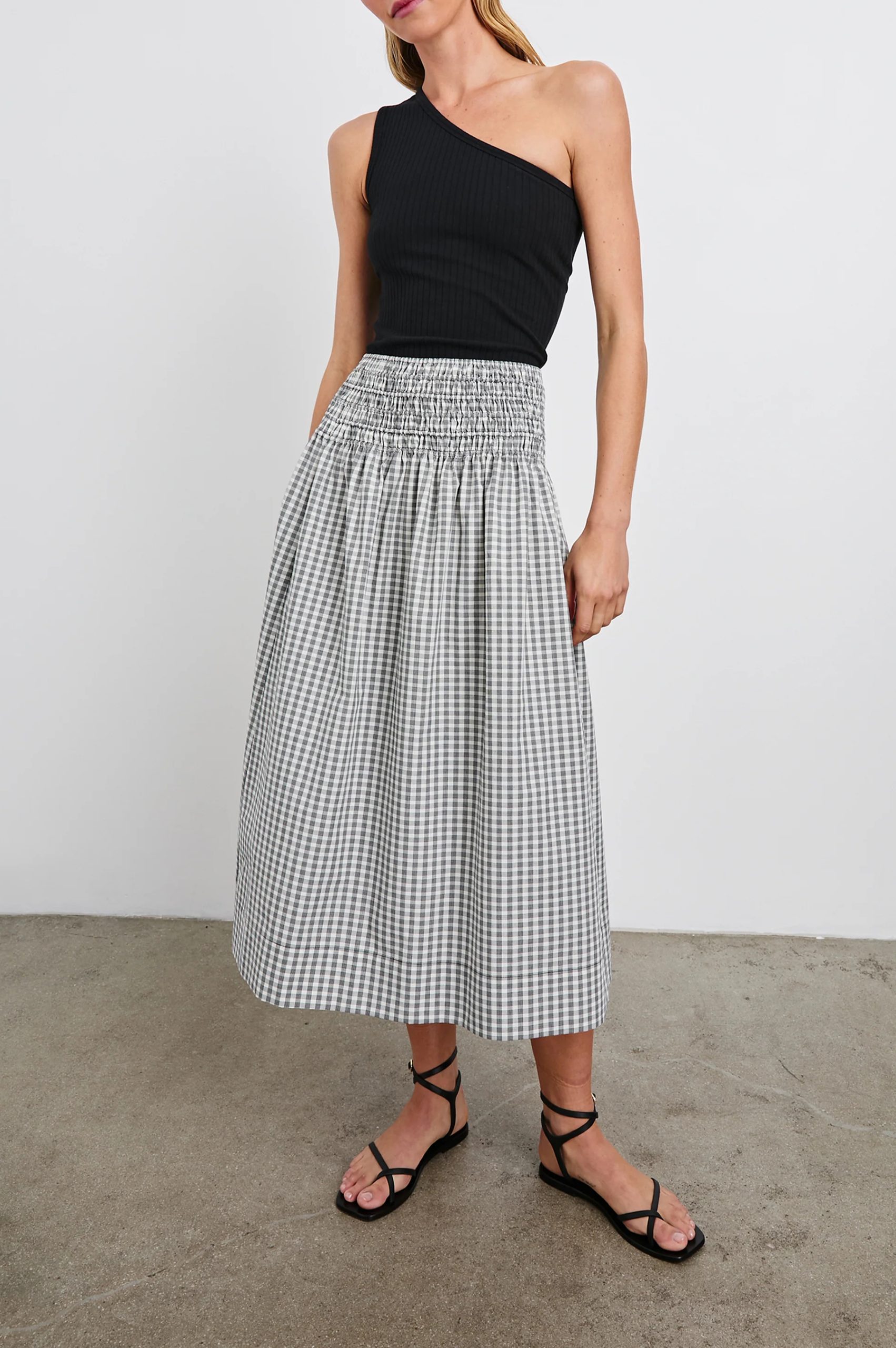
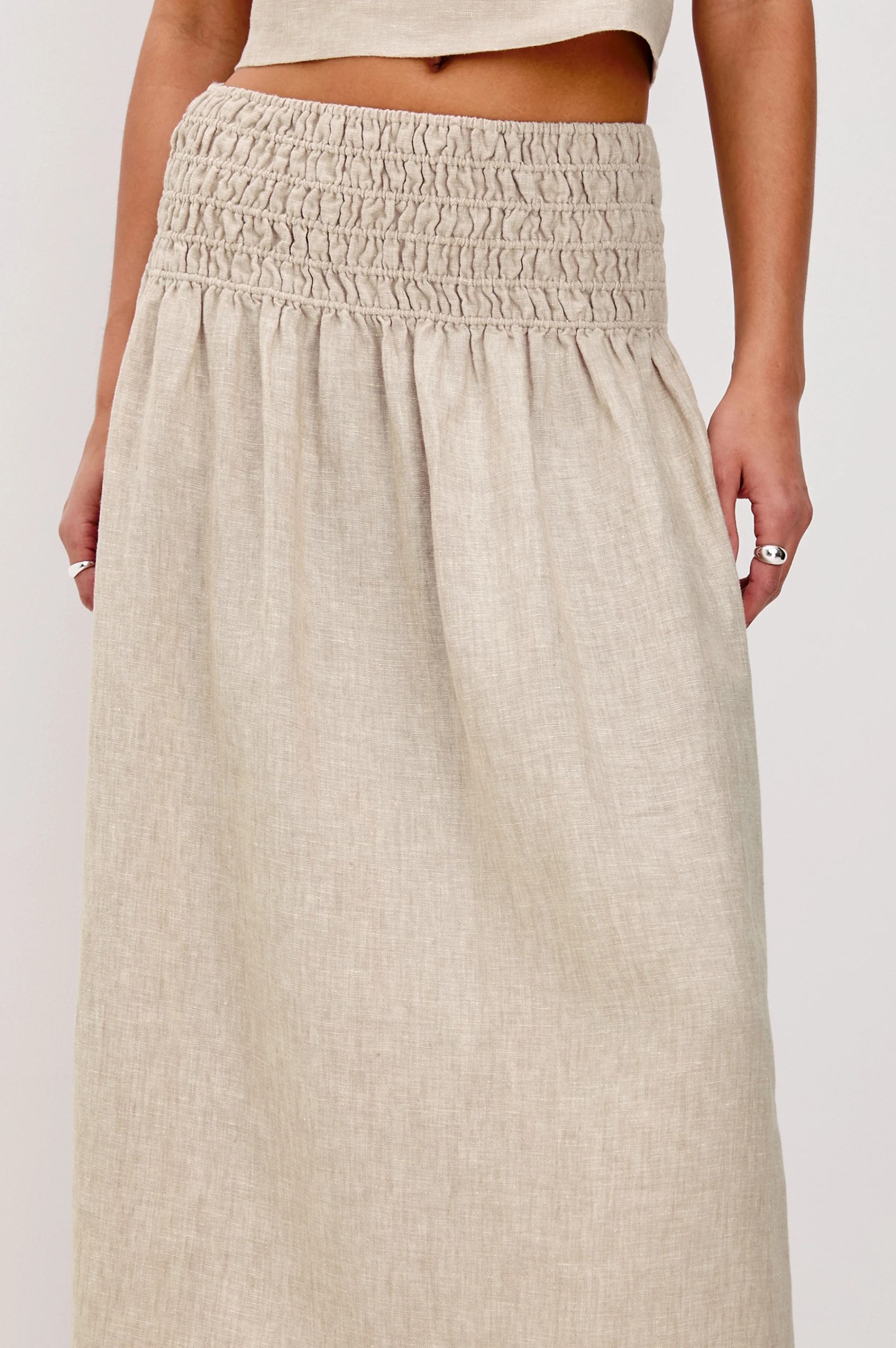
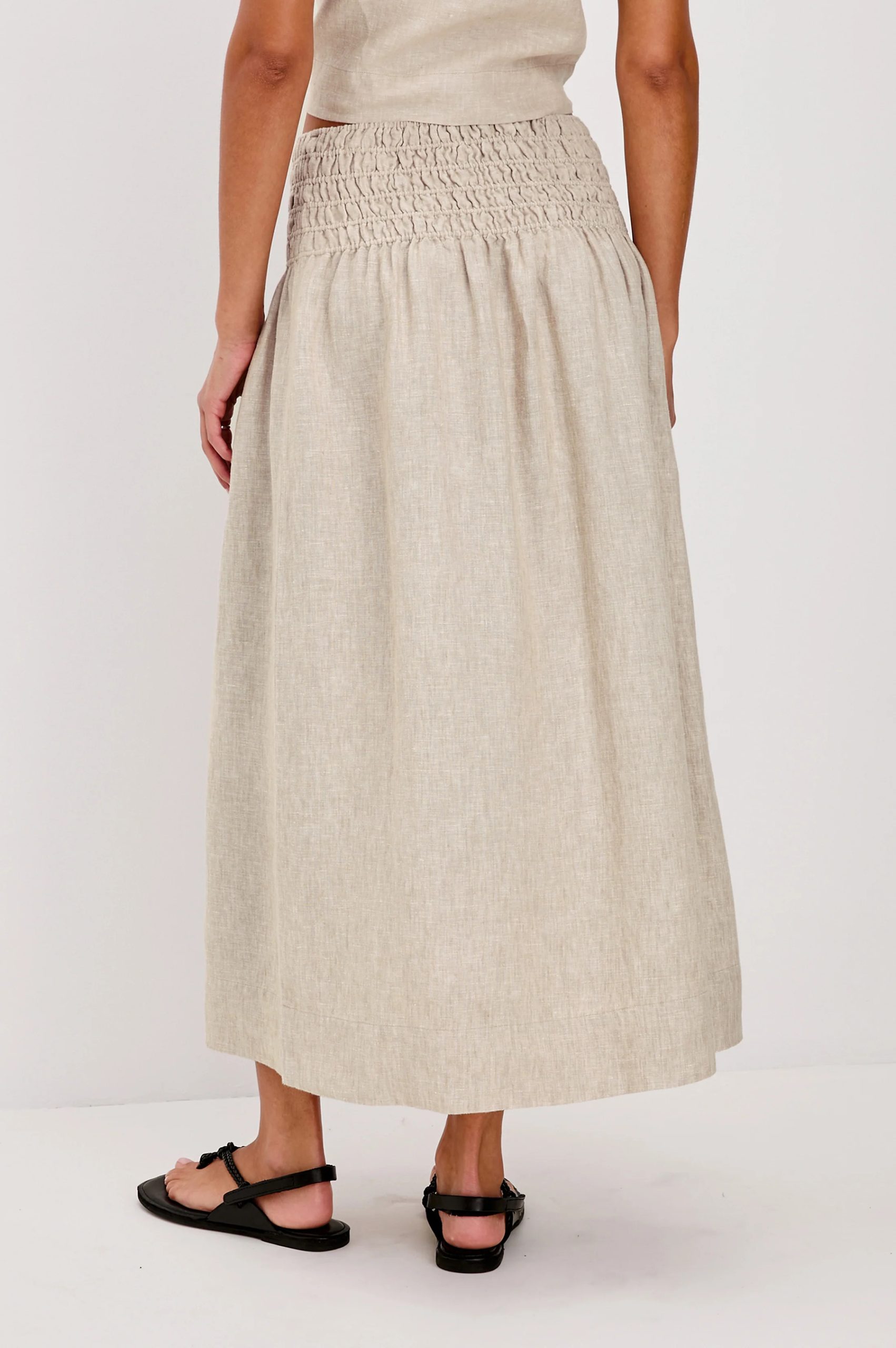
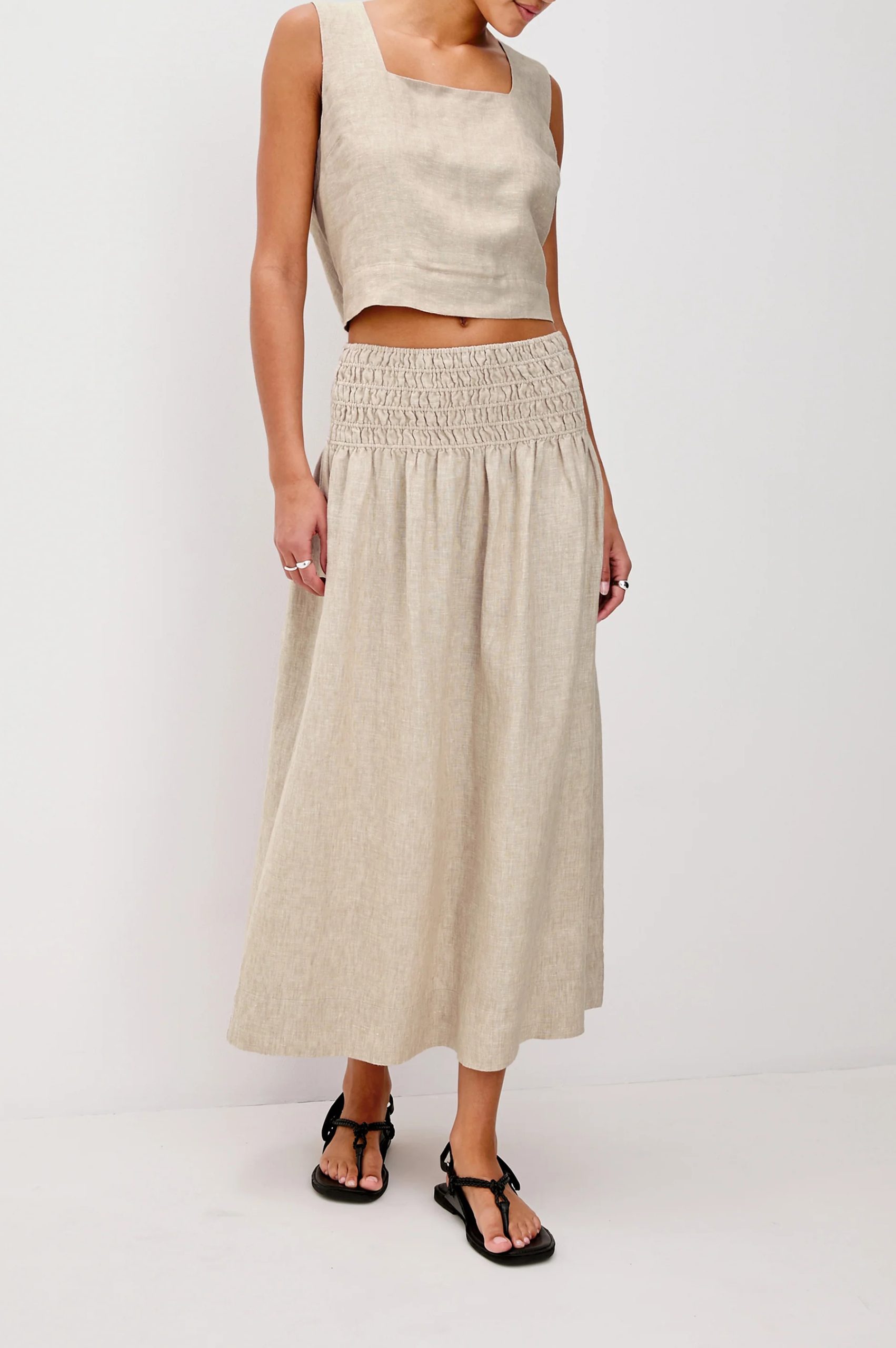
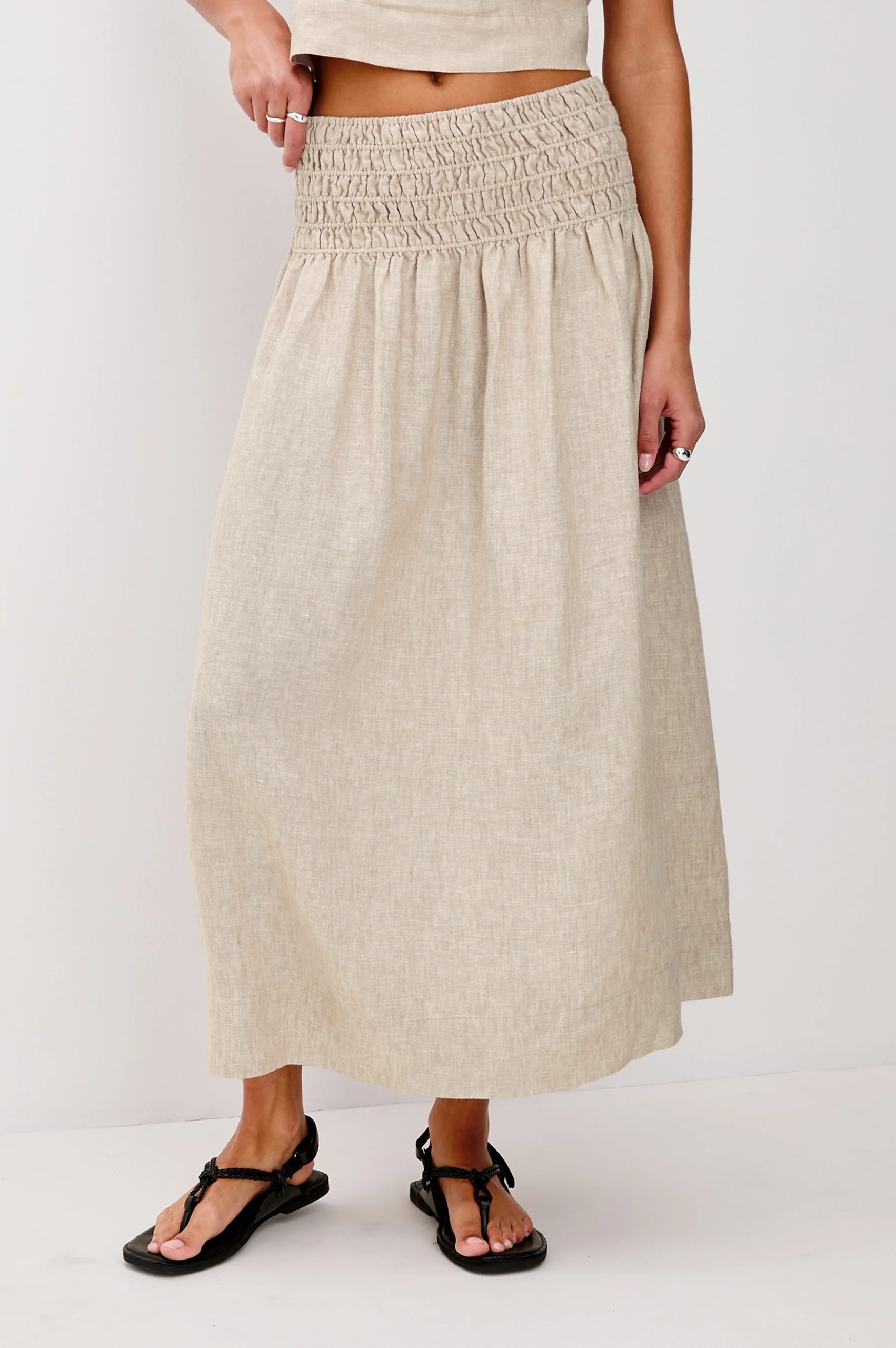
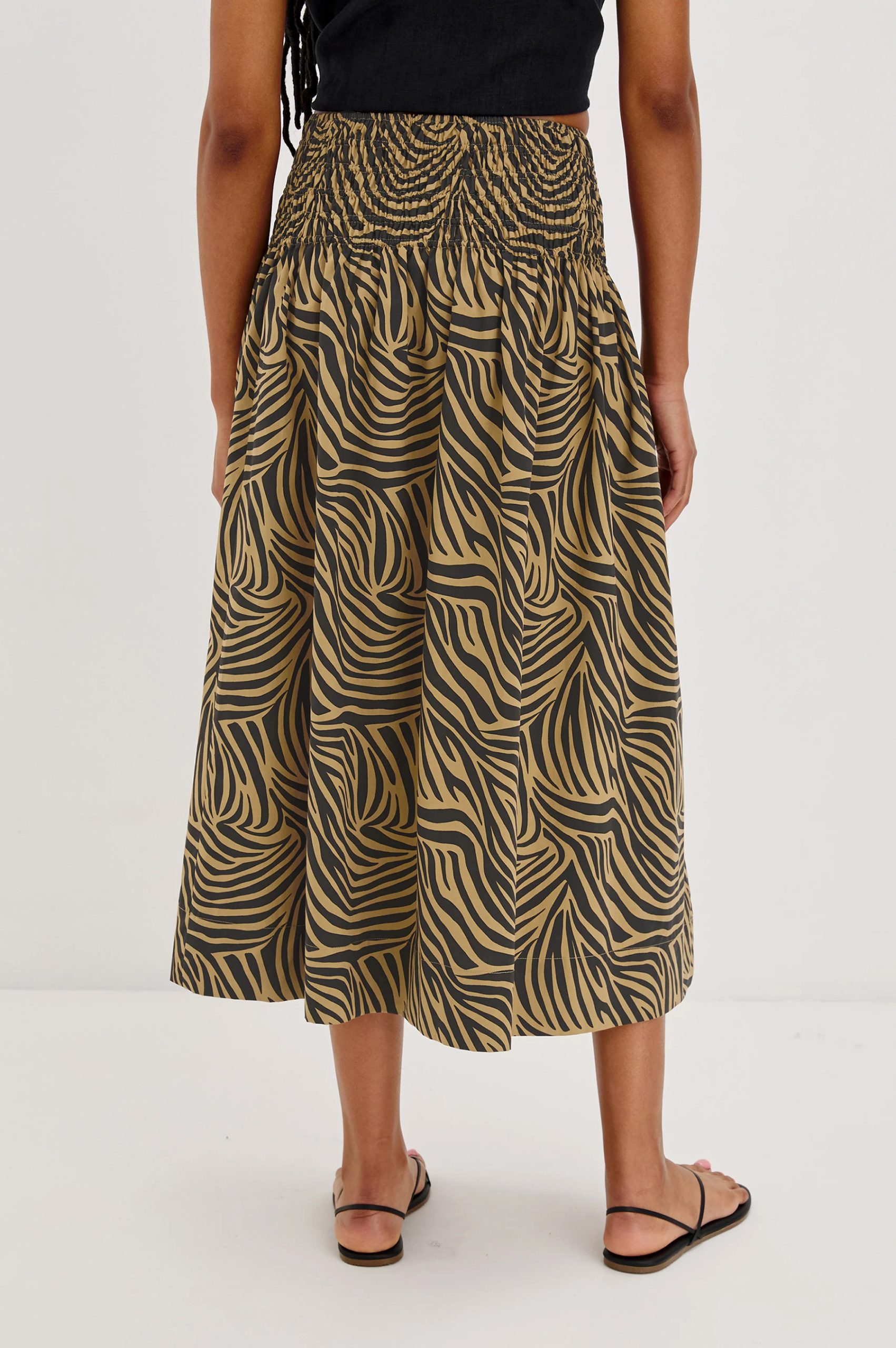
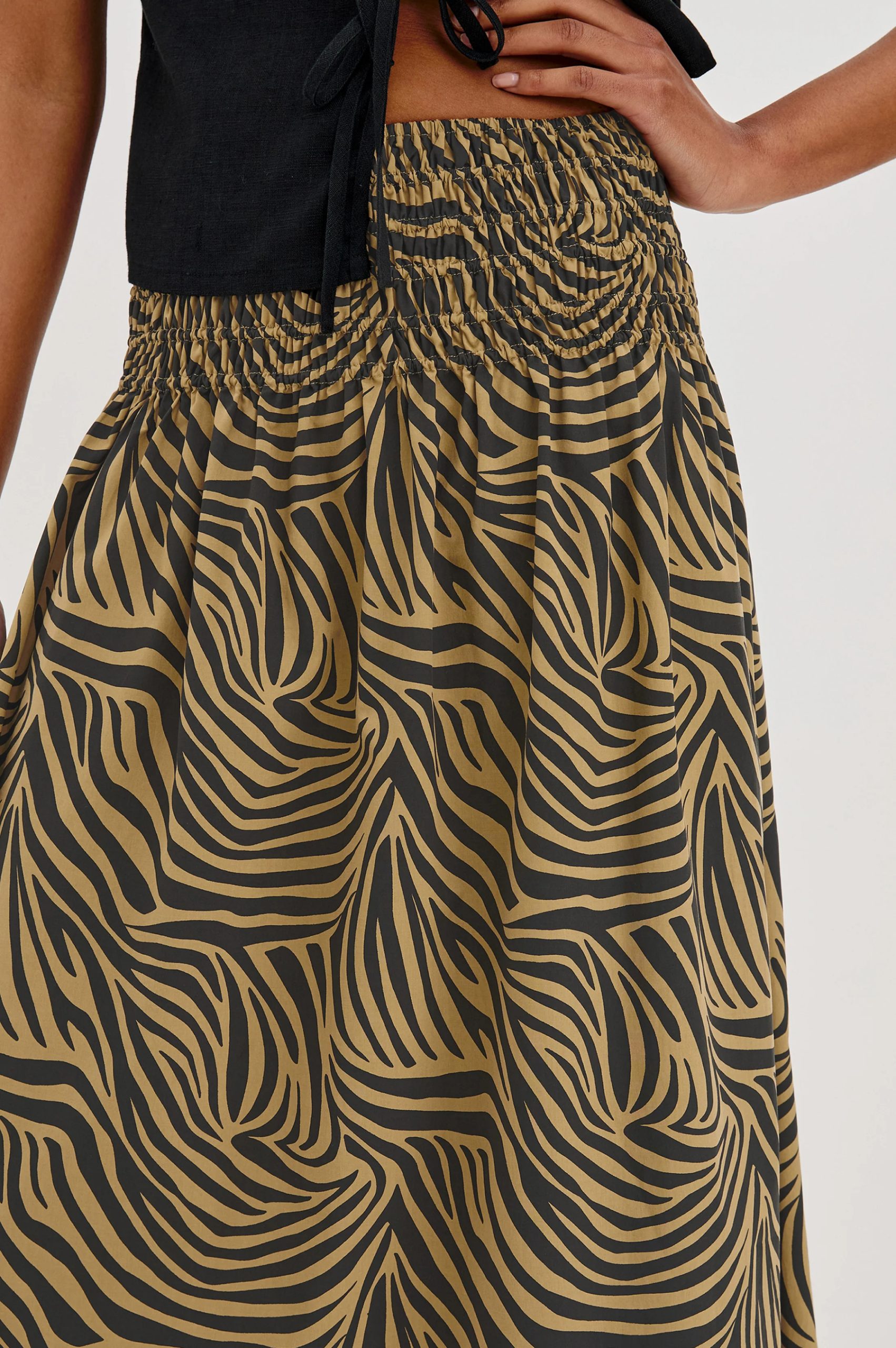
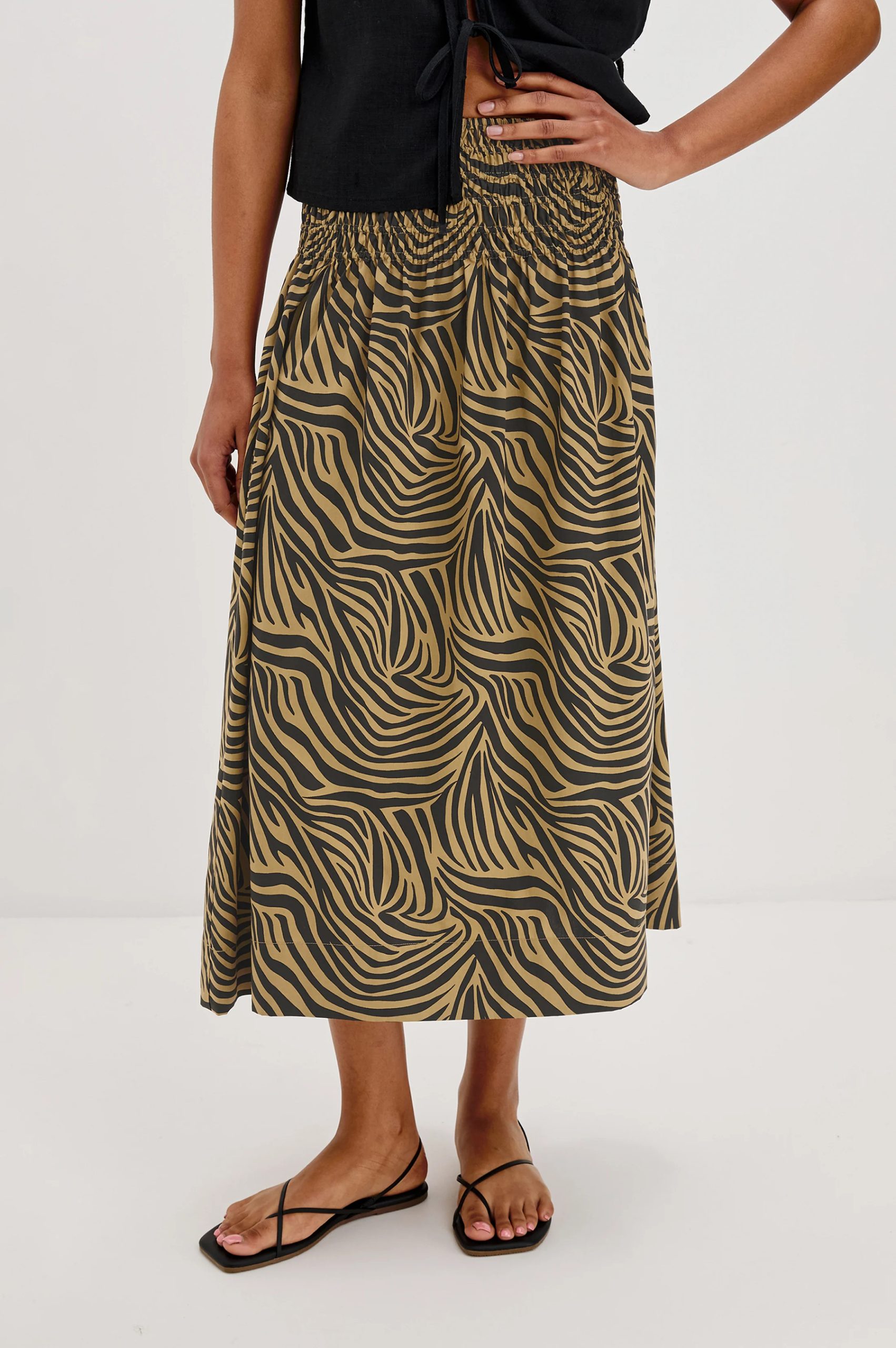
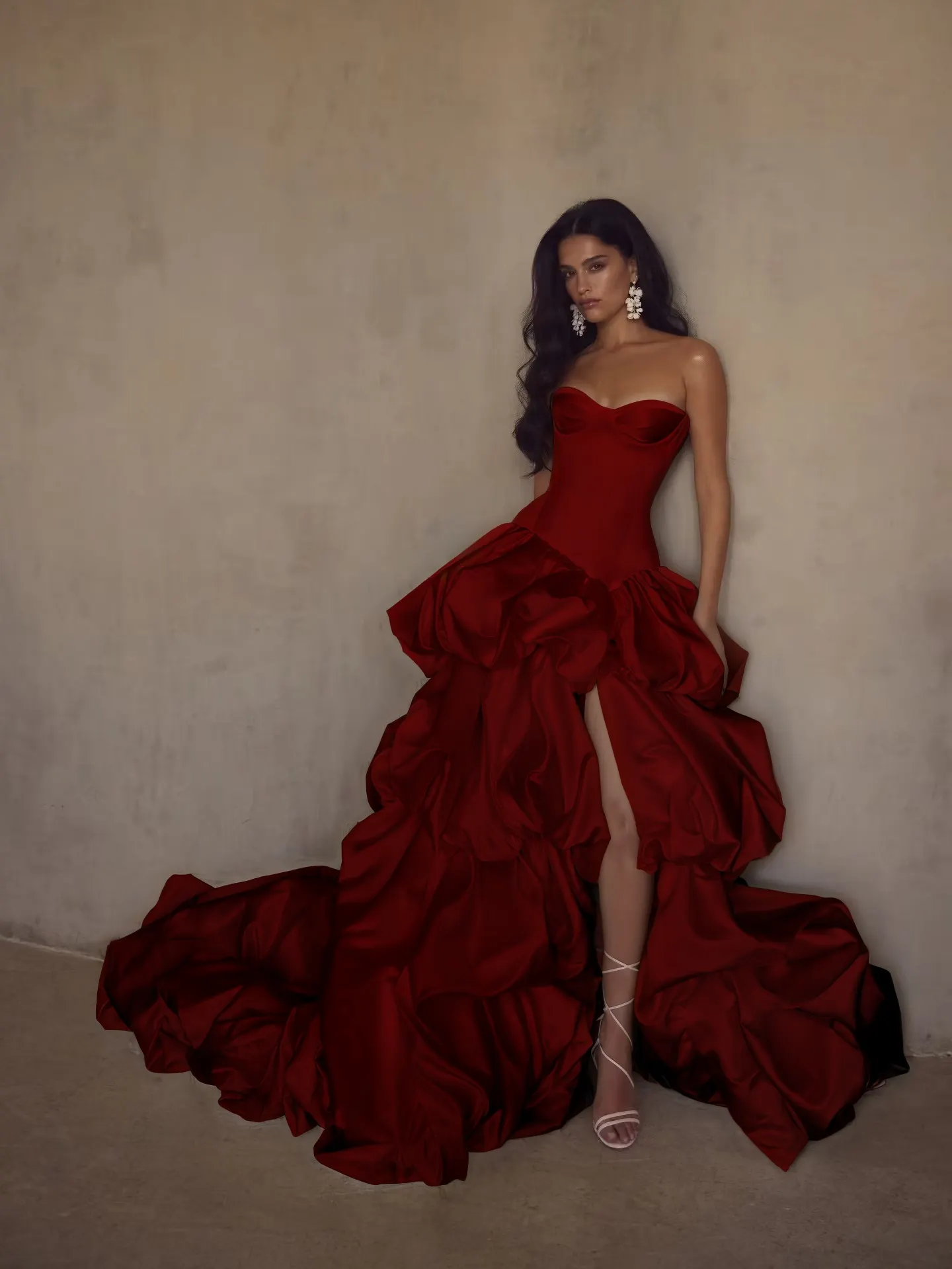
- Soft fabric & flattering cut, easy to dress up or down for daily look.
- Well-tailored design, comfy to wear, brings you effortless feminine charm.
- Versatile piece for your wardrobe, match different outfits freely.
